Why Is My Pool Foamy?
Foamy pool water usually comes from a cheap algaecide, low calcium hardness, or a buildup of oils, sunscreen, and detergent. Here is how to identify the cause, clear the foam, and keep it from coming back.
Foam on the surface of your pool means the water has lost some of its surface tension, so the air bubbles your pump and jets create do not pop the way they should. The three usual culprits are a cheap foaming algaecide, low calcium hardness (soft water), and a buildup of oils, sunscreen, lotions, hair products, or detergent. The fix is to identify which one applies, clear the existing foam with a clarifier and steady filtering, then correct the underlying cause. Start by thinking about what you added or did right before the foam showed up.
What causes foamy pool water
Foam is a symptom, not a single problem. Work through the common causes in order of likelihood.
Cheap or overused algaecide
This is the number one cause. Many low-cost algaecides contain foaming surfactants, and they froth up as soon as the water starts moving. If foam appeared within a day of adding algaecide, you have your answer. Premium polyquat algaecides foam much less, which is why they cost more.
Low calcium hardness
Soft water with low calcium hardness foams more readily because there is less dissolved mineral to keep surface tension up. If your calcium hardness is under about 200 ppm, that alone can cause persistent foam, and it is common in pools filled with soft or filtered water.
Oils, sunscreen, and detergent
Body oils, sunscreen, lotions, hair products, and leftover laundry detergent in swimsuits all act as surfactants. After a busy swim day, that organic load builds up and foam forms, especially around return jets and water features.
How to diagnose the cause
- Retrace recent additions. Did you add algaecide in the last day or two? That is the most likely trigger.
- Test calcium hardness. A reading below 200 ppm points to soft water as a contributor. Aim for 200 to 400 ppm.
- Check the bather load. Heavy use plus lots of sunscreen and lotion, especially with kids, raises the odds it is organic oils.
- Look at the foam itself. Lots of small, persistent bubbles that keep regenerating points to surfactants (algaecide or oils). Foam tied to soft water tends to be lighter and eases once calcium is corrected.
Gear to clear foam and test your water

CLOROX Pool&Spa Super Water Clarifier (1 Quart)
$8.54 on Amazon
Helps the filter capture the fine oils and particles that keep foam alive.

HTH Clarifier Advanced (clears in 24 hours)
$10.38 on Amazon
Fast-acting clarifier that restores sparkle and improves filter efficiency on hazy, foamy water.
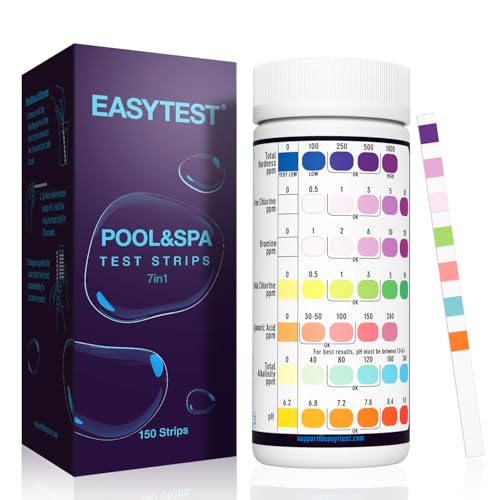
EASYTEST 7-Way Pool Test Strips (150 ct)
$11.99 on Amazon
Reads calcium-related balance, chlorine, pH, and alkalinity to find a soft-water cause.
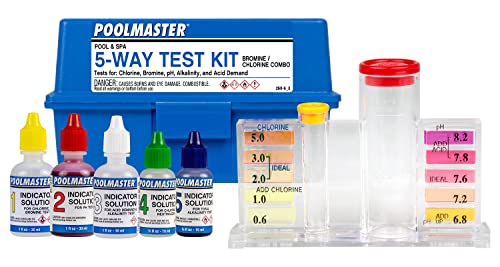
Poolmaster 5-Way Test Kit with Case
$29.90 on Amazon
Liquid drop kit for an accurate read on chlorine, pH, alkalinity, and stabilizer.
How to clear foamy water
- Stop adding the trigger. If it is algaecide, do not add more. Let the surfactant work its way out.
- Run the filter continuously. Foam needs steady filtration to clear, since the filter is what removes the particles and oils sustaining it.
- Add a clarifier. A clarifier clumps fine debris and oils so the filter can grab them, which knocks foam down faster.
- Skim the surface. Net or skim off the oily film and foam riding on top.
- Raise calcium hardness if it is low. Bring calcium into the 200 to 400 ppm range with a calcium hardness increaser if your test showed soft water.
- Rinse or backwash the filter once the foam clears so the captured oils do not just wash back in.
Most foam clears within a day or two once the source is removed and the filter keeps running. If foam keeps coming back after all this, a heavy oil load may be the issue, and an enzyme product that breaks down oils can help.
Safety first. Never mix pool chemicals, and never combine different chlorine types or chlorine with acid. Always add chemical to water, never water to chemical, run the pump while dosing, and retest before re-dosing. A clarifier is mild, but still follow the label dose for your pool volume. Store chemicals separately, away from kids and pets. Confirm free chlorine and pH are in range before anyone swims.
How to keep foam from coming back
- Use a non-foaming polyquat algaecide instead of a cheap foaming one, and only dose what the label calls for.
- Keep calcium hardness in range, 200 to 400 ppm, so soft water never sets up foam.
- Ask swimmers to rinse off before getting in to cut down on sunscreen and body oils.
- Wash swimsuits without heavy detergent, or rinse them well, since detergent residue foams.
- Run the filter after busy days, and use a clarifier periodically to keep oils from accumulating.
- Stay on top of water balance. Use the pH and alkalinity calculator and review your overall pool water balance so chemistry stays steady.
Foam looks alarming, but it is one of the easier problems to solve once you know the trigger. Remove the source, clarify and filter, fix the calcium or oil load behind it, and your water goes back to flat and clear. If you also see haze, our guide to cloudy pool water covers the next steps.
Pool Care & Maintenance Planner
Water-test log, chemical dosing tracker, weekly maintenance schedule, and opening and closing checklists, in one printable planner that keeps your pool clear all season.
Frequently Asked Questions
Why is my pool water foamy?
Foam means something in the water is lowering its surface tension so air bubbles do not pop. The most common cause is a cheap algaecide, since many contain foaming surfactants. Other causes are low calcium hardness, and a buildup of body oils, sunscreen, hair products, lotions, or laundry detergent from swimsuits. Identify which is at play, clear the foam with a clarifier and filtering, then fix the underlying cause so it does not return.
Does low calcium cause foamy water?
Yes, soft water with low calcium hardness foams more easily because there is less dissolved mineral to hold surface tension. If your calcium hardness is below about 200 ppm, raising it into the 200 to 400 ppm range with a calcium hardness increaser often reduces foaming on its own. Test your calcium hardness first so you know whether low calcium is part of the problem before you add anything.
Will algaecide make my pool foam?
Many inexpensive algaecides will, yes. Cheaper non-metallic algaecides, often labeled as low concentration, use foaming surfactants that froth up when the pump runs and water moves. Higher-quality polyquat algaecides foam far less. If foam appeared right after you added algaecide, that is almost certainly the cause. Let it dissipate, run the filter, and switch to a non-foaming polyquat product next time.
How do I get rid of pool foam fast?
Run the filter continuously and add a pool clarifier, which helps the filter pull out the fine particles and oils keeping the foam alive. If low calcium is the cause, raise calcium hardness into range. Skim off surface oils, rinse the filter, and avoid adding more of whatever caused it. Most foam clears within a day or two once you remove the source and keep filtering.
Is foamy pool water dangerous to swim in?
Foam itself is usually a cosmetic and water-balance issue rather than a health hazard, but it is a sign your water chemistry or filtration is off, so it is worth fixing before heavy use. Always confirm that free chlorine and pH are in range before anyone swims. If the foam came with cloudy water or a slimy feel, treat the water and clear it first, since that can point to a sanitizer or algae problem.
Can sunscreen and body oils cause pool foam?
Yes. Lotions, sunscreen, hair products, body oils, and detergent residue left in swimsuits all add organic surfactants that lower surface tension and let foam form, especially after a busy swim day. Asking swimmers to rinse off before getting in, running the filter after heavy use, and dosing a clarifier all help. A regular skimmer sock or enzyme product also reduces the oily film that contributes to foam.
Taking care of a pool?
Use our free calculators and guides to get every number right.
Pool Care Planner: $39