Pool Care for Beginners: The Complete Starter Guide
A simple starter guide to pool care covering the five things that matter, an easy weekly routine, and the ideal water ranges to keep your pool clear all season.
Pool care comes down to five things: circulation, filtration, cleaning, testing, and chemistry. If you keep those five in good shape, your water stays clear, safe, and inviting all season. Everything else is detail. This guide explains each of the five in plain language, gives you a short weekly routine, and lists the ideal water ranges to aim for. If you are a brand-new owner staring at a pool you are not sure how to keep clean, start here.
Starter Gear for New Pool Owners
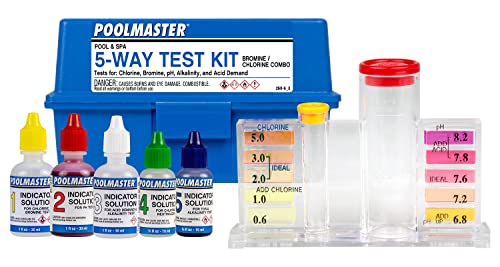
Poolmaster 5-Way Pool Water Chemistry Test Kit
Drop test kit with case that reads chlorine, pH, alkalinity, and more for accurate water testing.
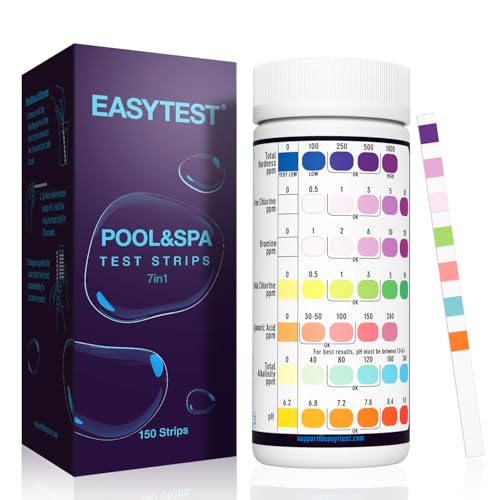
EASYTEST 7-Way Pool Test Strips, 150 Count
Fast strips for quick weekly checks of chlorine, pH, alkalinity, hardness, and CYA.

In The Swim Pool Basic Opening Chemical Start Up Kit
Bundle of core balancing and sanitizing chemicals for opening an above-ground or inground pool.

In The Swim Pool Deluxe Opening Chemical Start Up Kit
Larger start-up chemical kit for bigger pools or a more complete opening.
The 5 things that matter
Pool care can feel overwhelming because there are so many products and numbers. But every healthy pool rests on these five pillars, and they work together. Neglect one and the others struggle.
1. Circulation
Moving water is healthy water. Your pump pushes water through the filter and spreads chemicals evenly, so still water is where cloudiness and algae take hold. Aim to turn the entire pool over about every 8 hours, which for most backyard pools means running the pump 8 to 12 hours a day in swim season. Size your run time and flow with the pump size calculator.
2. Filtration
The filter removes the dirt and fine particles circulation carries to it. Whether you have a sand, cartridge, or DE filter, it needs to be clean to work. Clean or backwash it on schedule and watch the pressure gauge, since rising pressure means it is time to service the filter. A clogged filter quietly undermines everything else.
3. Cleaning
Mechanical cleaning handles what chemistry cannot. Skim the surface, empty the skimmer and pump baskets, brush the walls and floor to dislodge dirt and early algae, and vacuum weekly. Brushing before vacuuming makes a real difference. For the full method, see our guide on how to vacuum a pool.
4. Testing
You cannot manage what you do not measure. A reliable test kit tells you exactly where your water stands so you adjust with confidence instead of guessing. Test free chlorine and pH two to three times a week, and run a full panel for alkalinity, CYA, and calcium hardness weekly. Drop kits are more accurate; strips are fast and fine for quick checks.
5. Chemistry
Chemistry ties it all together. Balanced water is sanitized, comfortable, and gentle on your pool's surfaces and equipment. The trick is adjusting in the right order so each change holds. Our overview of pool water balance walks through the full sequence, and the short version is below.
The ideal ranges to aim for
Here is what balanced water looks like for a typical chlorine pool. Nudge your readings toward these ranges gradually.
| Reading | Ideal range | Why it matters |
|---|---|---|
| Total alkalinity | 60 to 120 ppm | Buffers and steadies pH |
| pH | 7.2 to 7.8 | Comfort and sanitizer strength |
| Cyanuric acid (CYA) | 30 to 50 ppm (chlorine) | Protects chlorine from sunlight |
| Free chlorine | ~7.5% of CYA | Kills germs and algae |
| Calcium hardness | 200 to 400 ppm | Protects surfaces, prevents scale |
Notice free chlorine has no single fixed target. It depends on your CYA, a connection that trips up almost every beginner. Balance these in order: alkalinity first, then pH, then CYA, then chlorine, with calcium hardness handled along the way. The pool water balance guide explains why this sequence prevents you from fixing the same number twice.
Get your volume right first
Before any dosing, you need to know your pool volume in gallons, because every chemical amount scales with it. Measure your pool in feet and run the numbers through our pool volume calculator. Do this once and every dose you calculate afterward, with the chlorine calculator or the pH and alkalinity calculator, will be accurate.
A simple weekly routine
Consistency, not complexity, is the secret. Here is a beginner-friendly loop that prevents nearly every common problem:
- Skim and empty baskets. Clear the surface and dump the skimmer and pump baskets.
- Brush. Brush the walls, steps, and floor to dislodge dirt and early algae.
- Vacuum. Vacuum the pool once a week, more after storms or heavy use.
- Test and balance. Test the water and adjust in order toward the ranges above.
- Check circulation. Confirm the pump is running enough hours for a full turnover, and glance at the filter pressure.
That is it. A few times a week you check chlorine and pH, and once a week you run the full loop. Most beginner headaches, cloudy water, green tinges, stinging eyes, come from skipping this routine, not from the routine being hard.
Safety basics every new owner must know
Pool chemicals work because they are powerful, so treat them with respect from day one:
- Never mix chemicals. Do not combine products, especially different chlorine types or chlorine and acid. Mixing can release toxic gas or cause fire.
- Always add chemical to water, never water to chemical. Pour slowly into a bucket of pool water or broadcast per the label.
- Run the pump while dosing so chemicals disperse, and make one change at a time.
- Retest before re-dosing. It is easy to overshoot, and some overshoots, like high CYA, come down only by draining and refilling.
- Store chemicals separately, sealed, dry, and locked away from children and pets.
Dosing figures from any calculator or chart are estimates based on standard pool-care formulas, so always test your own water and retest before adding more.
Your next steps
Start with your gallons in the pool volume calculator, then read pool water balance to understand the five readings. From there, build the weekly routine into your schedule and lean on our calculators whenever you need a dose. Pool care is a habit, not a science degree. Keep circulation, filtration, cleaning, testing, and chemistry in good shape, and you will spend your summer swimming instead of troubleshooting.
Pool Care & Maintenance Planner
Water-test log, chemical dosing tracker, weekly maintenance schedule, and opening and closing checklists, in one printable planner that keeps your pool clear all season.
Frequently Asked Questions
What does a beginner need to take care of a pool?
You need five things working together: circulation from the pump, filtration to trap debris, regular cleaning by skimming and brushing and vacuuming, a reliable test kit, and the chemicals to balance your water. Master those five and pool care becomes a short weekly routine rather than a mystery. A starter chemical kit and a good test kit cover most of what a new owner needs.
How often should I run my pool pump?
Run the pump long enough to turn over the entire pool volume, which is roughly every 8 hours, so most owners run it 8 to 12 hours a day in swim season. Circulation is what carries water to the filter and spreads chemicals evenly. Running the pump during the day when the pool is in use is a sensible default for most backyard pools.
What are the ideal pool water levels for a beginner?
For a chlorine pool, aim for pH 7.2 to 7.8, total alkalinity 60 to 120 ppm, calcium hardness 200 to 400 ppm, and CYA around 30 to 50 ppm. Free chlorine should be roughly 7.5 percent of your CYA reading. Salt pools run CYA higher, around 60 to 80 ppm. Test your own water and adjust gradually toward these ranges.
How often should a beginner test the water?
Test free chlorine and pH two to three times a week during swim season, and more in hot weather or after heavy use or rain. Test alkalinity, CYA, and calcium hardness about once a week or every two weeks. Frequent testing catches small drifts before they become cloudy water or algae, which are much harder to fix.
What is the simplest weekly pool routine?
Skim the surface and empty baskets, brush the walls and floor, vacuum once a week, test and balance the water, and confirm the pump is running enough hours for a full turnover. That short loop, done consistently, prevents nearly every common pool problem. Inconsistency, not difficulty, is what causes most beginner headaches.
Why is my pool water cloudy or green?
Cloudy or green water usually means a chemistry or circulation problem: low free chlorine, unbalanced pH or alkalinity, poor filtration, or not enough run time. Test first, balance in the right order, run the pump longer, and shock if chlorine is low and algae has started. Address the cause rather than just adding clarifier, and the water clears and stays clear.
Taking care of a pool?
Use our free calculators and guides to get every number right.
Pool Care Planner: $39